 SUCHEN SIE DIE PASSENDE
INDUSTRIELLE LÖSUNG?
Entdecken Sie Embedded-, Kommunikations- und Automatisierungslösungen für Ihre Anwendung.
- Dual RS‑232 Ports: Provides two independent RS‑232 serial communication channels via a DB‑44 female connector on the card, expandable through a breakout cable to DB‑9 or DB‑25 male connectors.
- Universal PCI Interface: Fully compliant with PCI versions 3.0, 2.3, and 2.2; supports both 3.3 V and 5 V signaling environments, ensuring compatibility with legacy and modern PCI/PCI‑X systems (33 MHz / 66 MHz).
- High‑Speed Communication: Supports baud rates from 75 bps up to 921.6 Kbps, suitable for high‑throughput industrial data exchange.
- 64‑Byte FIFO Buffer: Hardware FIFO per port, 16C750‑compatible UART for efficient data handling and reduced CPU load.
- Unlimited Scalability: Multiple cards can be installed in a single system, limited only by available PCI slots.
- Embedded 15 kV ESD Protection: Built‑in electrostatic discharge protection on all signal lines ensures long‑term reliability in harsh environments.
- Wide Temperature Range: Operational from 0 °C to 70 °C; storage from −40 °C to 85 °C.
- Comprehensive OS Support: Compatible with DOS, Linux (2.4 x / 2.6 x kernels), SCO OpenServer 5.06/5.07, and Microsoft Windows 2000, XP (32/64‑bit), 2003 (32/64‑bit), and Vista (32‑bit).
- Plug‑and‑Play Configuration: IRQ and I/O addresses automatically assigned by the system BIOS or operating system—no DIP switches or jumpers required.
- Industrial‑Grade Design: Engineered for continuous operation in automation, POS, and data acquisition systems.
- 5‑Year Warranty: Long‑term manufacturer warranty ensures reliability and support.
- Universal PCI Interface: Fully compliant with PCI versions 3.0, 2.3, and 2.2; supports both 3.3 V and 5 V signaling environments, ensuring compatibility with legacy and modern PCI/PCI‑X systems (33 MHz / 66 MHz).
- High‑Speed Communication: Supports baud rates from 75 bps up to 921.6 Kbps, suitable for high‑throughput industrial data exchange.
- 64‑Byte FIFO Buffer: Hardware FIFO per port, 16C750‑compatible UART for efficient data handling and reduced CPU load.
- Unlimited Scalability: Multiple cards can be installed in a single system, limited only by available PCI slots.
- Embedded 15 kV ESD Protection: Built‑in electrostatic discharge protection on all signal lines ensures long‑term reliability in harsh environments.
- Wide Temperature Range: Operational from 0 °C to 70 °C; storage from −40 °C to 85 °C.
- Comprehensive OS Support: Compatible with DOS, Linux (2.4 x / 2.6 x kernels), SCO OpenServer 5.06/5.07, and Microsoft Windows 2000, XP (32/64‑bit), 2003 (32/64‑bit), and Vista (32‑bit).
- Plug‑and‑Play Configuration: IRQ and I/O addresses automatically assigned by the system BIOS or operating system—no DIP switches or jumpers required.
- Industrial‑Grade Design: Engineered for continuous operation in automation, POS, and data acquisition systems.
- 5‑Year Warranty: Long‑term manufacturer warranty ensures reliability and support.
Comprehensive Product Summary – SUNIX IPC‑P1002 Universal PCI 2‑Port RS‑232 Serial Card
### 1. Product Overview
Product Name: UPCI 2×RS‑232 Professional Card
Model: IPC‑P1002
Series: SUNIX Industrial Multi‑Port Serial Communication Boards – Universal PCI Series
Article Number: IPC‑P1002
Manufacturer: SUNIX Co., Ltd. (SUNIX I.N.C.)
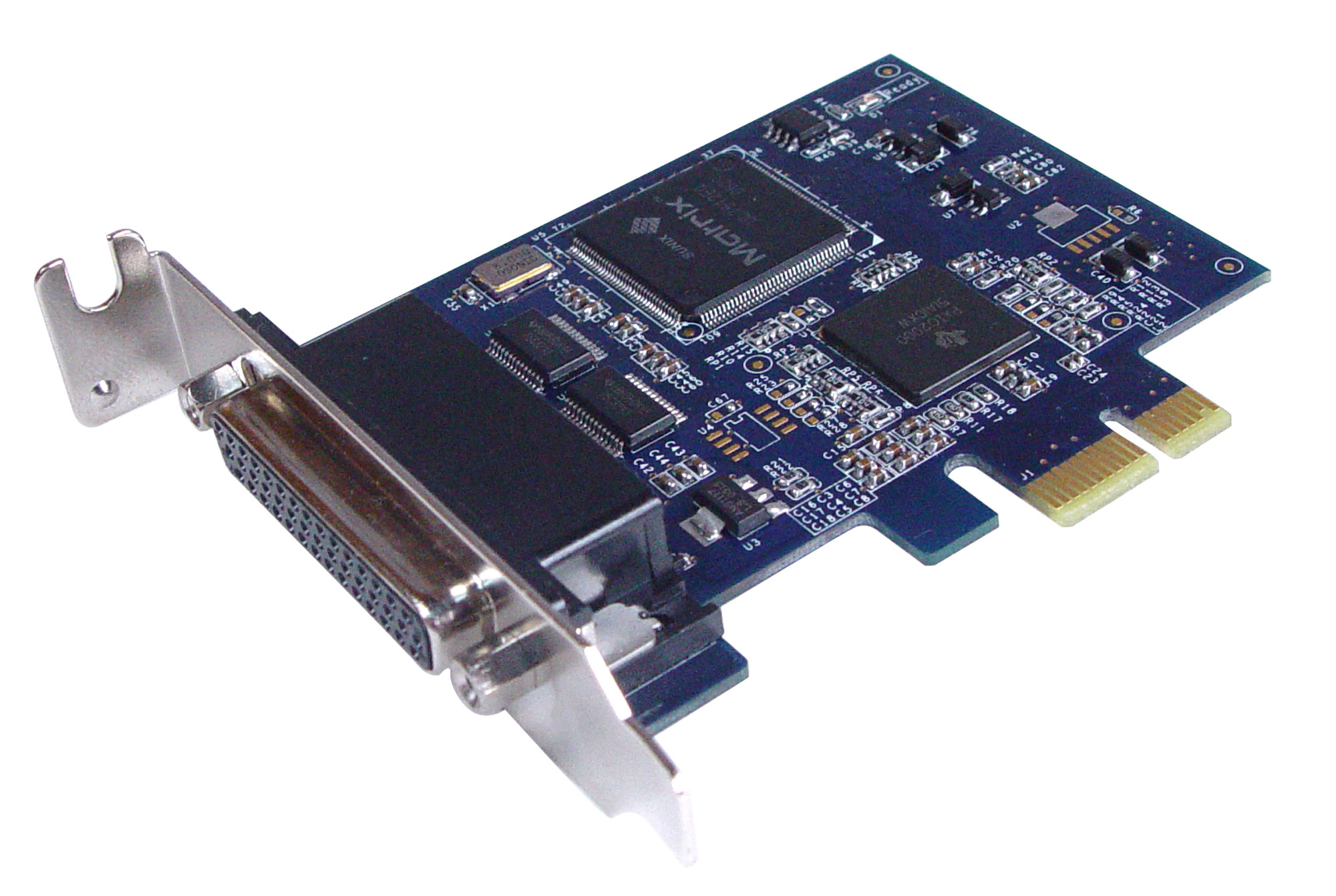
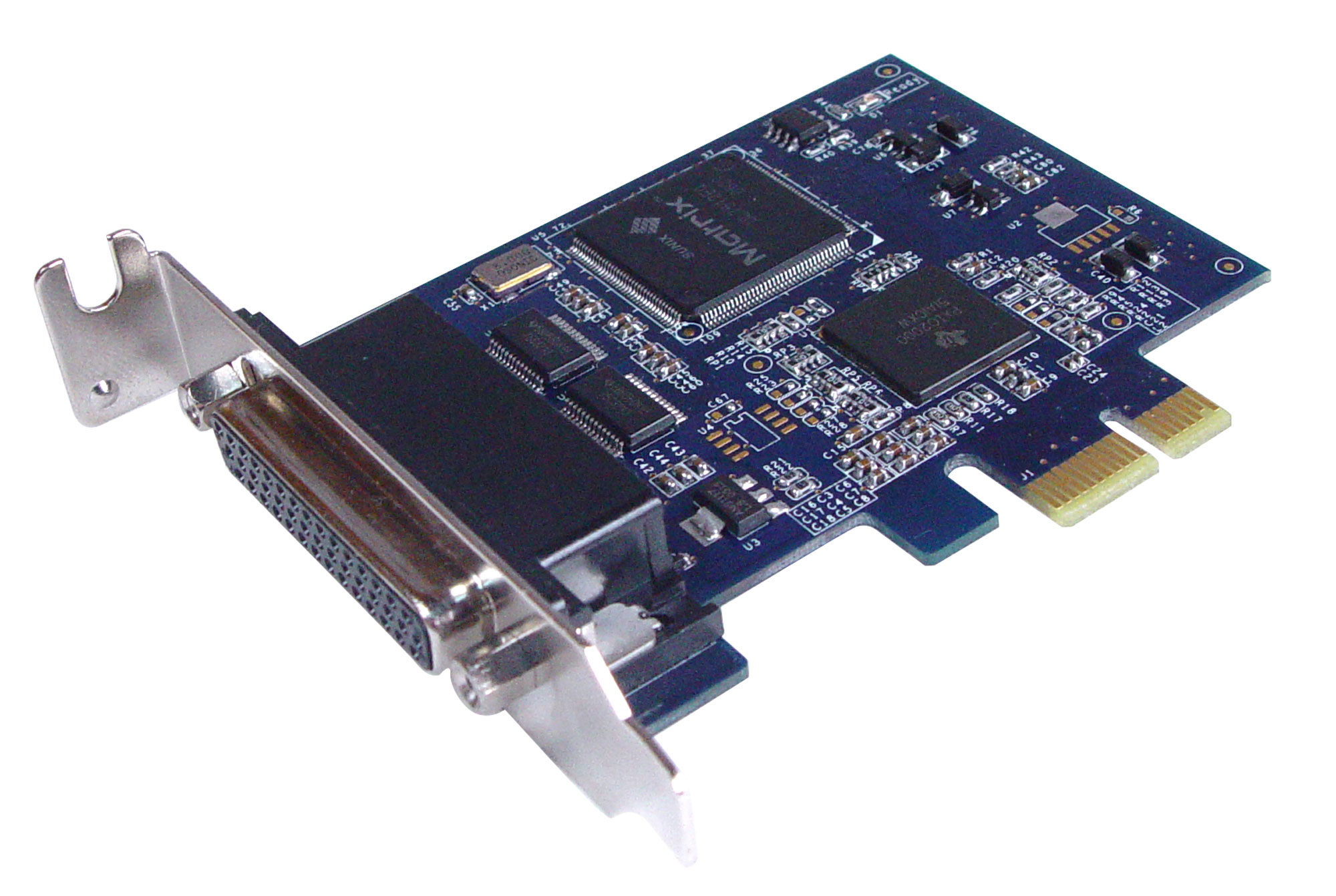
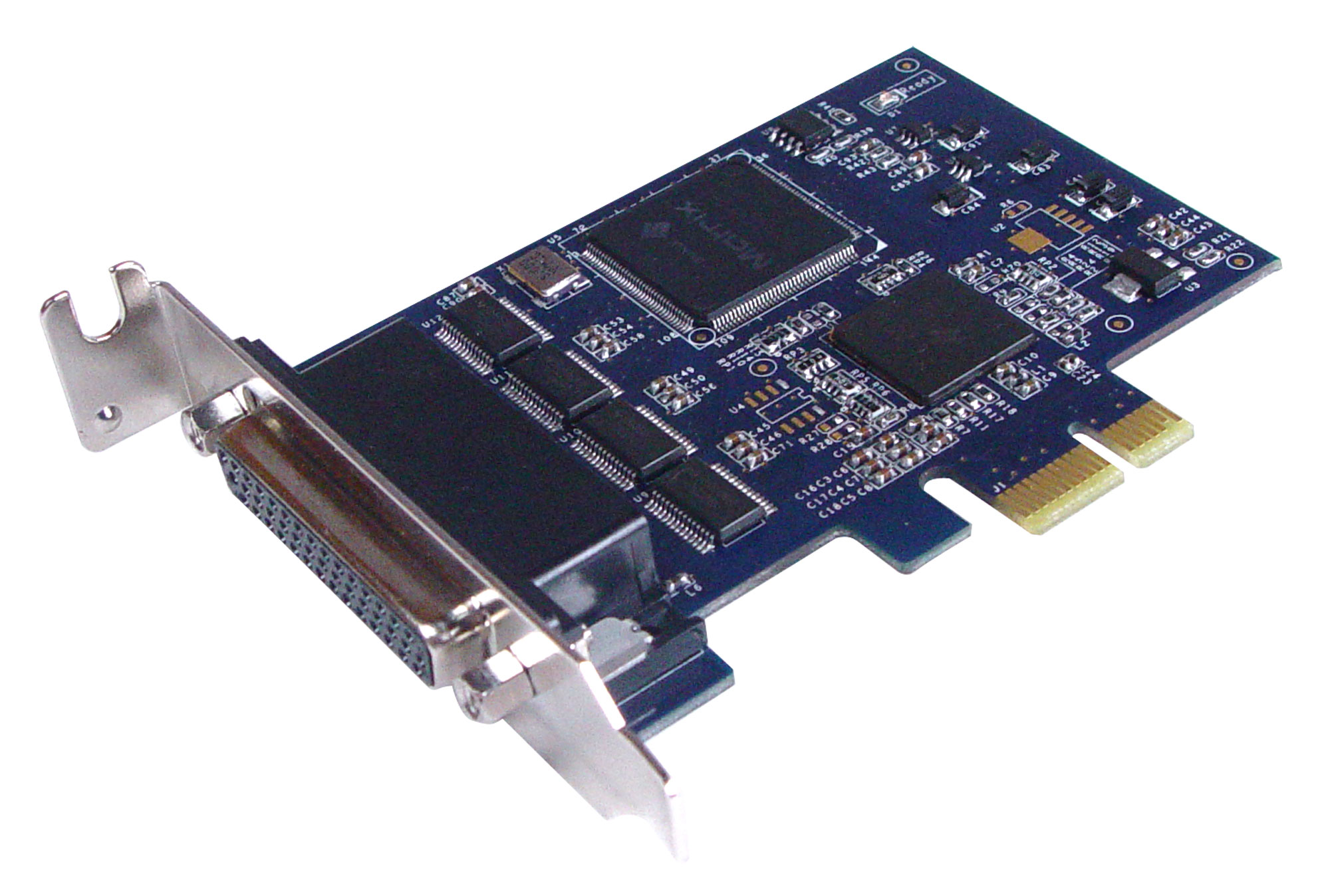
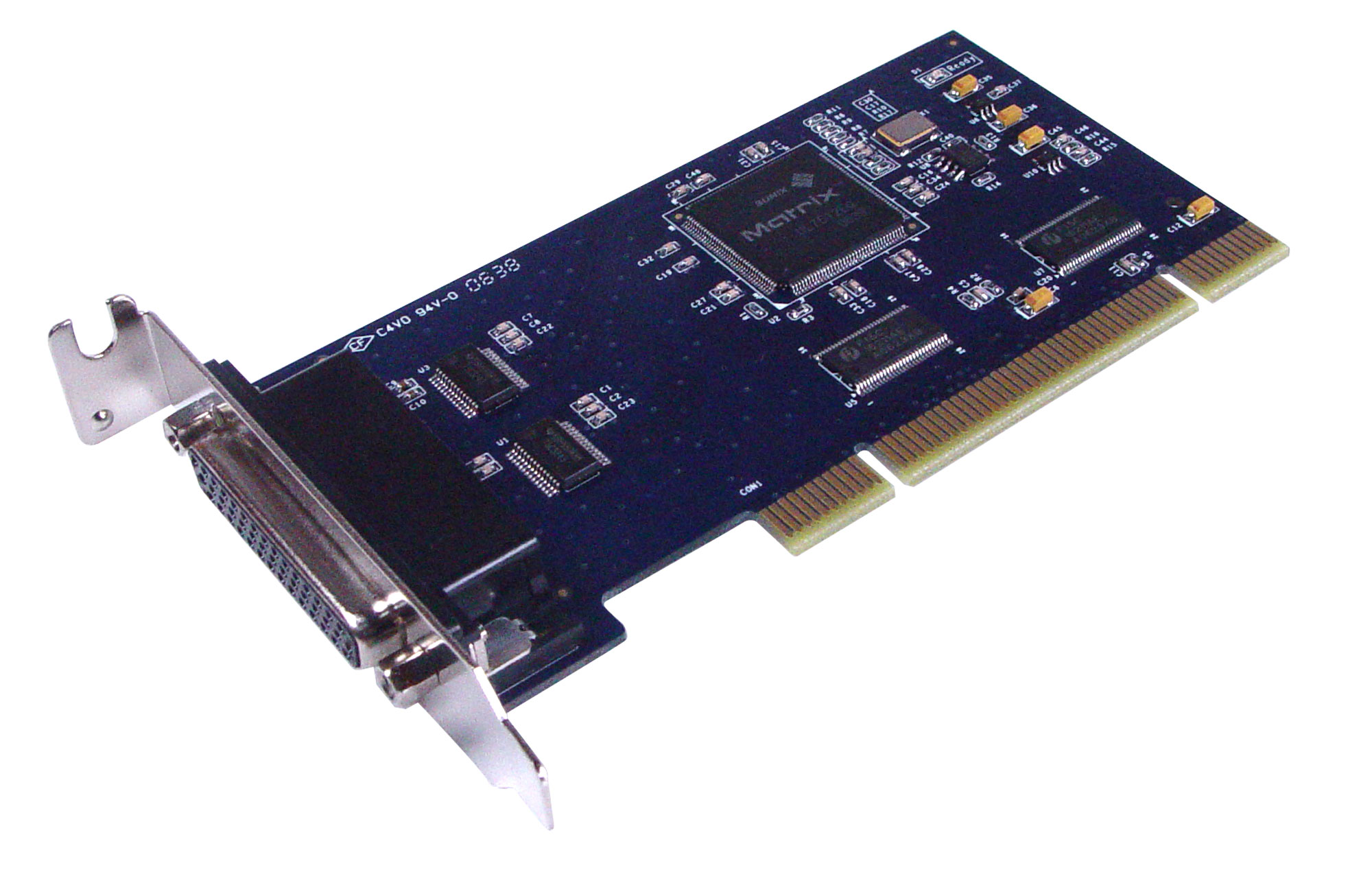
The SUNIX IPC‑P1002 is a professional‑grade Universal PCI serial communication card designed to expand a system’s serial connectivity with two independent RS‑232 ports. It belongs to SUNIX’s industrial multi‑port serial card family, which includes PCI, PCI Express, and PCI/104 variants supporting RS‑232, RS‑422/485, and hybrid 3‑in‑1 interfaces. The IPC‑P1002 is engineered for high‑reliability industrial, commercial, and embedded applications requiring robust serial communication, high data integrity, and compatibility with modern and legacy systems.
### 2. Key Features
- Dual RS‑232 Ports: Provides two independent RS‑232 serial communication channels via a DB‑44 female connector on the card, expandable through a breakout cable to DB‑9 or DB‑25 male connectors.
- Universal PCI Interface: Fully compliant with PCI versions 3.0, 2.3, and 2.2; supports both 3.3 V and 5 V signaling environments, ensuring compatibility with legacy and modern PCI/PCI‑X systems (33 MHz / 66 MHz).
- High‑Speed Communication: Supports baud rates from 75 bps up to 921.6 Kbps, suitable for high‑throughput industrial data exchange.
- 64‑Byte FIFO Buffer: Hardware FIFO per port, 16C750‑compatible UART for efficient data handling and reduced CPU load.
- Unlimited Scalability: Multiple cards can be installed in a single system, limited only by available PCI slots.
- Embedded 15 kV ESD Protection: Built‑in electrostatic discharge protection on all signal lines ensures long‑term reliability in harsh environments.
- Wide Temperature Range: Operational from 0 °C to 70 °C; storage from −40 °C to 85 °C.
- Comprehensive OS Support: Compatible with DOS, Linux (2.4 x / 2.6 x kernels), SCO OpenServer 5.06/5.07, and Microsoft Windows 2000, XP (32/64‑bit), 2003 (32/64‑bit), and Vista (32‑bit).
- Plug‑and‑Play Configuration: IRQ and I/O addresses automatically assigned by the system BIOS or operating system—no DIP switches or jumpers required.
- Industrial‑Grade Design: Engineered for continuous operation in automation, POS, and data acquisition systems.
- 5‑Year Warranty: Long‑term manufacturer warranty ensures reliability and support.
### 3. Technical Specifications
| Parameter | Specification |
|----------------|-------------------|
| Interface Type | Universal PCI (PCI Ver. 3.0 / 2.3 / 2.2) |
| Bus Compatibility | 64‑bit / 32‑bit PCI and PCI‑X, 3.3 V / 5 V, 33 MHz / 66 MHz |
| Number of Ports | 2 independent RS‑232 ports |
| Connector Type | DB‑44 female on card |
| Breakout Cable | DB‑44 male to dual DB‑9 or DB‑25 male connectors (40 cm / 100 cm) |
| UART Controller | 16C750 compatible, single‑chip ASIC architecture |
| FIFO Buffer | 64‑byte hardware FIFO per port |
| Baud Rate Range | 75 bps to 921.6 Kbps |
| Data Bits | 5, 6, 7, or 8 bits |
| Stop Bits | 1, 1.5, or 2 bits |
| Parity Options | None, Even, Odd, Space, Mark |
| Flow Control | XON/XOFF (software) |
| ESD Protection | 15 kV embedded protection on all signal lines |
| IRQ / I/O Address | Assigned automatically by system BIOS/OS |
| Operating Temperature | 0 °C to 70 °C |
| Storage Temperature | −40 °C to 85 °C |
| Operating Humidity | 5 % to 95 % RH (non‑condensing) |
| Dimensions | 63.5 mm × 120 mm (low‑profile and standard bracket options) |
| Weight | Approx. 100 g (card only) |
| Regulatory Compliance | CE, FCC Class B |
| Warranty | 5 years |
### 4. Functionality
The IPC‑P1002 functions as a dual‑port RS‑232 serial expansion card for desktop, workstation, or industrial PC systems. It provides two fully independent asynchronous serial channels that can be used for data acquisition, device control, or communication with legacy serial peripherals.
Operation Principle:
- Each port uses a 16C750‑compatible UART with a 64‑byte FIFO buffer to manage data transmission and reception efficiently.
- The card interfaces with the host system through the PCI bus, using automatic resource allocation for IRQ and I/O addresses.
- Communication parameters (baud rate, parity, stop bits, data bits) are configurable through the operating system’s device manager or terminal software.
Typical Use Cases:
- Industrial automation and control systems (PLC communication, sensor data logging)
- Point‑of‑Sale (POS) terminals (receipt printers, barcode scanners, card readers)
- Laboratory instrumentation and data acquisition
- Embedded systems requiring multiple serial interfaces
- Communication with legacy RS‑232 devices such as modems, scales, and displays
Compatibility:
- Works with Intel® and AMD® 32‑bit and 64‑bit architectures.
- Compatible with major operating systems including Windows, Linux, DOS, and UNIX variants.
- Supports unlimited card installations per system, allowing large‑scale serial expansion.
### 5. Components & Accessories
Included in Package:
1. IPC‑P1002 Serial Communication Board (1 pc)
2. Connection Cable: DB‑44 male to dual DB‑9 or DB‑25 male connectors (40 cm or 100 cm length)
3. Driver CD: Contains Windows, Linux, and DOS drivers
4. Standard and Low‑Profile Brackets: For flexible installation in full‑height or slim chassis
5. Quick Installation Guide
6. User Manual
Optional Accessories:
- Extended‑length DB‑44 to DB‑9/DB‑25 cables
- Additional low‑profile brackets
- External surge protection modules (for high‑voltage environments)
Connectors and Pinouts:
- DB‑44 Female (on card): Carries two RS‑232 channels
- DB‑9/DB‑25 Male (via cable): Standard RS‑232 pin assignments (TxD, RxD, RTS, CTS, DTR, DSR, DCD, GND)
### 6. Installation & Setup
System Requirements:
- Available PCI or PCI‑X slot (3.3 V or 5 V)
- Supported operating system (Windows 2000/XP/2003/Vista, Linux 2.4/2.6, DOS)
- Administrative privileges for driver installation
Hardware Installation Steps:
1. Power off the computer and disconnect the power cord.
2. Remove the system cover and locate an available PCI slot.
3. Remove the slot’s metal cover plate.
4. Insert the IPC‑P1002 card firmly into the PCI slot and secure it with a screw.
5. Replace the system cover and reconnect power.
6. Attach the DB‑44 breakout cable to the card’s connector.
7. Connect RS‑232 devices to the DB‑9 or DB‑25 connectors.
Software Installation:
- Upon system boot, the OS automatically detects the new hardware.
- Insert the provided driver CD and follow the installation wizard.
- Drivers are available for multiple OS versions; select the appropriate directory (e.g., `Windows\2K&XP&2003&Vista_32bit`).
- After installation, configure COM port numbers and FIFO settings via Device Manager (Windows) or terminal configuration (Linux).
Configuration Options:
- Enable or disable 64‑byte FIFO buffering.
- Adjust COM port numbering to avoid conflicts.
- Modify baud rate, parity, and flow control settings as required by connected devices.
### 7. Performance & Capabilities
Data Throughput:
Each port supports up to 921.6 Kbps, ensuring reliable high‑speed communication for demanding industrial applications.
Latency & Efficiency:
The 64‑byte FIFO buffer minimizes CPU overhead and prevents data loss during high‑speed transfers. The single‑chip ASIC design reduces latency and improves response time compared to multi‑chip solutions.
Scalability:
Multiple IPC‑P1002 cards can be installed in one system, limited only by available PCI slots. This allows expansion to dozens of serial ports without performance degradation.
Reliability:
- 15 kV ESD protection safeguards against electrostatic discharge.
- Wide operating temperature range supports continuous operation in industrial environments.
- Solid‑state components and gold‑plated connectors ensure long‑term durability.
Limitations:
- RS‑232 only (no RS‑422/485 support on this model).
- Software flow control only (no hardware RTS/CTS flow control).
- Not designed for environments requiring optical isolation or surge suppression beyond ESD protection (available in SI models).
### 8. Standards & Compliance
Electrical & Interface Standards:
- PCI Local Bus Specification v3.0 / 2.3 / 2.2
- RS‑232 serial communication standard (TIA/EIA‑232‑F)
- UART 16C750 compatibility
Environmental & Safety Compliance:
- CE (Conformité Européenne) – Electromagnetic Compatibility (EMC) Directive
- FCC Class B – U.S. Federal Communications Commission compliance for home and office environments
- IEC 61000‑4‑5 (Surge Immunity) – applicable to SI variants
- RoHS compliant (lead‑free manufacturing)
Operating System Certification:
- Microsoft WHQL‑tested drivers for Windows 2000/XP/2003/Vista
- Verified compatibility with Linux kernel 2.4 x and 2.6 x distributions
Industry Standards Supported:
- PCI and PCI‑X bus architectures
- UART 16C750/16C550/16C450 compatibility ensures interoperability with legacy serial software
### 9. Additional Information
Warranty & Support:
- Warranty Period: 5 years limited hardware warranty
- Technical Support:
- Email: info@sunix‑ncci.com.tw
- Website: [www.sunix‑ncci.com.tw](http://www.sunix-ncci.com.tw)
- Support Services: Driver updates, firmware revisions, product manuals, and technical consultation.
Maintenance:
- No periodic maintenance required; ensure connectors remain clean and free of oxidation.
- Avoid exposure to moisture, vibration, or magnetic interference.
- Do not disassemble the card; unauthorized repair voids warranty.
Firmware & Driver Updates:
- SUNIX provides updated drivers for new OS releases.
- Linux source packages available for kernel 2.4 x and 2.6 x.
- Windows drivers digitally signed and WHQL‑certified.
Safety Guidelines:
- Keep away from direct sunlight and high humidity.
- Ensure system power is off before installation.
- Avoid static discharge by grounding yourself before handling the card.
Troubleshooting Highlights:
- If the card is not detected, verify PCI slot integrity and BIOS resource allocation.
- For driver conflicts, uninstall and reinstall using the correct OS driver path.
- FIFO overruns can be mitigated by reducing buffer size or enabling flow control.
### Summary
The SUNIX IPC‑P1002 Universal PCI 2‑Port RS‑232 Serial Card is a robust, high‑performance solution for expanding serial connectivity in industrial and commercial systems. With its universal PCI interface, 64‑byte FIFO UARTs, and 15 kV ESD protection, it delivers reliable communication across a wide range of applications—from POS terminals and automation controllers to laboratory instruments and embedded systems. Its plug‑and‑play configuration, broad OS compatibility, and long‑term warranty make it an ideal choice for engineers and system integrators seeking dependable serial expansion hardware.
Key Technical Snapshot:
- Model: IPC‑P1002
- Interface: Universal PCI (3.3 V / 5 V)
- Ports: 2 × RS‑232
- Baud Rate: 75 bps – 921.6 Kbps
- FIFO: 64 bytes, 16C750 compatible
- Protection: 15 kV ESD
- Dimensions: 63.5 × 120 mm
- Operating Temp: 0 °C – 70 °C
- Compliance: CE, FCC Class B
- Warranty: 5 years
This card exemplifies SUNIX’s commitment to industrial‑grade communication solutions—combining reliability, performance, and ease of integration in a compact, standards‑compliant design.
### 1. Product Overview
Product Name: UPCI 2×RS‑232 Professional Card
Model: IPC‑P1002
Series: SUNIX Industrial Multi‑Port Serial Communication Boards – Universal PCI Series
Article Number: IPC‑P1002
Manufacturer: SUNIX Co., Ltd. (SUNIX I.N.C.)
The SUNIX IPC‑P1002 is a professional‑grade Universal PCI serial communication card designed to expand a system’s serial connectivity with two independent RS‑232 ports. It belongs to SUNIX’s industrial multi‑port serial card family, which includes PCI, PCI Express, and PCI/104 variants supporting RS‑232, RS‑422/485, and hybrid 3‑in‑1 interfaces. The IPC‑P1002 is engineered for high‑reliability industrial, commercial, and embedded applications requiring robust serial communication, high data integrity, and compatibility with modern and legacy systems.
### 2. Key Features
- Dual RS‑232 Ports: Provides two independent RS‑232 serial communication channels via a DB‑44 female connector on the card, expandable through a breakout cable to DB‑9 or DB‑25 male connectors.
- Universal PCI Interface: Fully compliant with PCI versions 3.0, 2.3, and 2.2; supports both 3.3 V and 5 V signaling environments, ensuring compatibility with legacy and modern PCI/PCI‑X systems (33 MHz / 66 MHz).
- High‑Speed Communication: Supports baud rates from 75 bps up to 921.6 Kbps, suitable for high‑throughput industrial data exchange.
- 64‑Byte FIFO Buffer: Hardware FIFO per port, 16C750‑compatible UART for efficient data handling and reduced CPU load.
- Unlimited Scalability: Multiple cards can be installed in a single system, limited only by available PCI slots.
- Embedded 15 kV ESD Protection: Built‑in electrostatic discharge protection on all signal lines ensures long‑term reliability in harsh environments.
- Wide Temperature Range: Operational from 0 °C to 70 °C; storage from −40 °C to 85 °C.
- Comprehensive OS Support: Compatible with DOS, Linux (2.4 x / 2.6 x kernels), SCO OpenServer 5.06/5.07, and Microsoft Windows 2000, XP (32/64‑bit), 2003 (32/64‑bit), and Vista (32‑bit).
- Plug‑and‑Play Configuration: IRQ and I/O addresses automatically assigned by the system BIOS or operating system—no DIP switches or jumpers required.
- Industrial‑Grade Design: Engineered for continuous operation in automation, POS, and data acquisition systems.
- 5‑Year Warranty: Long‑term manufacturer warranty ensures reliability and support.
### 3. Technical Specifications
| Parameter | Specification |
|----------------|-------------------|
| Interface Type | Universal PCI (PCI Ver. 3.0 / 2.3 / 2.2) |
| Bus Compatibility | 64‑bit / 32‑bit PCI and PCI‑X, 3.3 V / 5 V, 33 MHz / 66 MHz |
| Number of Ports | 2 independent RS‑232 ports |
| Connector Type | DB‑44 female on card |
| Breakout Cable | DB‑44 male to dual DB‑9 or DB‑25 male connectors (40 cm / 100 cm) |
| UART Controller | 16C750 compatible, single‑chip ASIC architecture |
| FIFO Buffer | 64‑byte hardware FIFO per port |
| Baud Rate Range | 75 bps to 921.6 Kbps |
| Data Bits | 5, 6, 7, or 8 bits |
| Stop Bits | 1, 1.5, or 2 bits |
| Parity Options | None, Even, Odd, Space, Mark |
| Flow Control | XON/XOFF (software) |
| ESD Protection | 15 kV embedded protection on all signal lines |
| IRQ / I/O Address | Assigned automatically by system BIOS/OS |
| Operating Temperature | 0 °C to 70 °C |
| Storage Temperature | −40 °C to 85 °C |
| Operating Humidity | 5 % to 95 % RH (non‑condensing) |
| Dimensions | 63.5 mm × 120 mm (low‑profile and standard bracket options) |
| Weight | Approx. 100 g (card only) |
| Regulatory Compliance | CE, FCC Class B |
| Warranty | 5 years |
### 4. Functionality
The IPC‑P1002 functions as a dual‑port RS‑232 serial expansion card for desktop, workstation, or industrial PC systems. It provides two fully independent asynchronous serial channels that can be used for data acquisition, device control, or communication with legacy serial peripherals.
Operation Principle:
- Each port uses a 16C750‑compatible UART with a 64‑byte FIFO buffer to manage data transmission and reception efficiently.
- The card interfaces with the host system through the PCI bus, using automatic resource allocation for IRQ and I/O addresses.
- Communication parameters (baud rate, parity, stop bits, data bits) are configurable through the operating system’s device manager or terminal software.
Typical Use Cases:
- Industrial automation and control systems (PLC communication, sensor data logging)
- Point‑of‑Sale (POS) terminals (receipt printers, barcode scanners, card readers)
- Laboratory instrumentation and data acquisition
- Embedded systems requiring multiple serial interfaces
- Communication with legacy RS‑232 devices such as modems, scales, and displays
Compatibility:
- Works with Intel® and AMD® 32‑bit and 64‑bit architectures.
- Compatible with major operating systems including Windows, Linux, DOS, and UNIX variants.
- Supports unlimited card installations per system, allowing large‑scale serial expansion.
### 5. Components & Accessories
Included in Package:
1. IPC‑P1002 Serial Communication Board (1 pc)
2. Connection Cable: DB‑44 male to dual DB‑9 or DB‑25 male connectors (40 cm or 100 cm length)
3. Driver CD: Contains Windows, Linux, and DOS drivers
4. Standard and Low‑Profile Brackets: For flexible installation in full‑height or slim chassis
5. Quick Installation Guide
6. User Manual
Optional Accessories:
- Extended‑length DB‑44 to DB‑9/DB‑25 cables
- Additional low‑profile brackets
- External surge protection modules (for high‑voltage environments)
Connectors and Pinouts:
- DB‑44 Female (on card): Carries two RS‑232 channels
- DB‑9/DB‑25 Male (via cable): Standard RS‑232 pin assignments (TxD, RxD, RTS, CTS, DTR, DSR, DCD, GND)
### 6. Installation & Setup
System Requirements:
- Available PCI or PCI‑X slot (3.3 V or 5 V)
- Supported operating system (Windows 2000/XP/2003/Vista, Linux 2.4/2.6, DOS)
- Administrative privileges for driver installation
Hardware Installation Steps:
1. Power off the computer and disconnect the power cord.
2. Remove the system cover and locate an available PCI slot.
3. Remove the slot’s metal cover plate.
4. Insert the IPC‑P1002 card firmly into the PCI slot and secure it with a screw.
5. Replace the system cover and reconnect power.
6. Attach the DB‑44 breakout cable to the card’s connector.
7. Connect RS‑232 devices to the DB‑9 or DB‑25 connectors.
Software Installation:
- Upon system boot, the OS automatically detects the new hardware.
- Insert the provided driver CD and follow the installation wizard.
- Drivers are available for multiple OS versions; select the appropriate directory (e.g., `Windows\2K&XP&2003&Vista_32bit`).
- After installation, configure COM port numbers and FIFO settings via Device Manager (Windows) or terminal configuration (Linux).
Configuration Options:
- Enable or disable 64‑byte FIFO buffering.
- Adjust COM port numbering to avoid conflicts.
- Modify baud rate, parity, and flow control settings as required by connected devices.
### 7. Performance & Capabilities
Data Throughput:
Each port supports up to 921.6 Kbps, ensuring reliable high‑speed communication for demanding industrial applications.
Latency & Efficiency:
The 64‑byte FIFO buffer minimizes CPU overhead and prevents data loss during high‑speed transfers. The single‑chip ASIC design reduces latency and improves response time compared to multi‑chip solutions.
Scalability:
Multiple IPC‑P1002 cards can be installed in one system, limited only by available PCI slots. This allows expansion to dozens of serial ports without performance degradation.
Reliability:
- 15 kV ESD protection safeguards against electrostatic discharge.
- Wide operating temperature range supports continuous operation in industrial environments.
- Solid‑state components and gold‑plated connectors ensure long‑term durability.
Limitations:
- RS‑232 only (no RS‑422/485 support on this model).
- Software flow control only (no hardware RTS/CTS flow control).
- Not designed for environments requiring optical isolation or surge suppression beyond ESD protection (available in SI models).
### 8. Standards & Compliance
Electrical & Interface Standards:
- PCI Local Bus Specification v3.0 / 2.3 / 2.2
- RS‑232 serial communication standard (TIA/EIA‑232‑F)
- UART 16C750 compatibility
Environmental & Safety Compliance:
- CE (Conformité Européenne) – Electromagnetic Compatibility (EMC) Directive
- FCC Class B – U.S. Federal Communications Commission compliance for home and office environments
- IEC 61000‑4‑5 (Surge Immunity) – applicable to SI variants
- RoHS compliant (lead‑free manufacturing)
Operating System Certification:
- Microsoft WHQL‑tested drivers for Windows 2000/XP/2003/Vista
- Verified compatibility with Linux kernel 2.4 x and 2.6 x distributions
Industry Standards Supported:
- PCI and PCI‑X bus architectures
- UART 16C750/16C550/16C450 compatibility ensures interoperability with legacy serial software
### 9. Additional Information
Warranty & Support:
- Warranty Period: 5 years limited hardware warranty
- Technical Support:
- Email: info@sunix‑ncci.com.tw
- Website: [www.sunix‑ncci.com.tw](http://www.sunix-ncci.com.tw)
- Support Services: Driver updates, firmware revisions, product manuals, and technical consultation.
Maintenance:
- No periodic maintenance required; ensure connectors remain clean and free of oxidation.
- Avoid exposure to moisture, vibration, or magnetic interference.
- Do not disassemble the card; unauthorized repair voids warranty.
Firmware & Driver Updates:
- SUNIX provides updated drivers for new OS releases.
- Linux source packages available for kernel 2.4 x and 2.6 x.
- Windows drivers digitally signed and WHQL‑certified.
Safety Guidelines:
- Keep away from direct sunlight and high humidity.
- Ensure system power is off before installation.
- Avoid static discharge by grounding yourself before handling the card.
Troubleshooting Highlights:
- If the card is not detected, verify PCI slot integrity and BIOS resource allocation.
- For driver conflicts, uninstall and reinstall using the correct OS driver path.
- FIFO overruns can be mitigated by reducing buffer size or enabling flow control.
### Summary
The SUNIX IPC‑P1002 Universal PCI 2‑Port RS‑232 Serial Card is a robust, high‑performance solution for expanding serial connectivity in industrial and commercial systems. With its universal PCI interface, 64‑byte FIFO UARTs, and 15 kV ESD protection, it delivers reliable communication across a wide range of applications—from POS terminals and automation controllers to laboratory instruments and embedded systems. Its plug‑and‑play configuration, broad OS compatibility, and long‑term warranty make it an ideal choice for engineers and system integrators seeking dependable serial expansion hardware.
Key Technical Snapshot:
- Model: IPC‑P1002
- Interface: Universal PCI (3.3 V / 5 V)
- Ports: 2 × RS‑232
- Baud Rate: 75 bps – 921.6 Kbps
- FIFO: 64 bytes, 16C750 compatible
- Protection: 15 kV ESD
- Dimensions: 63.5 × 120 mm
- Operating Temp: 0 °C – 70 °C
- Compliance: CE, FCC Class B
- Warranty: 5 years
This card exemplifies SUNIX’s commitment to industrial‑grade communication solutions—combining reliability, performance, and ease of integration in a compact, standards‑compliant design.
-
 MultiportSerialCards.pdf
PDF Catalog
MultiportSerialCards.pdf
PDF Catalog
-
 SUNIX Manual_PCI V1.0.pdf
Manual
SUNIX Manual_PCI V1.0.pdf
Manual
Kein Zubehör vorhanden.